 Naoki
Hello everyone!
I’m Naoki, a Japanese skier who gives skiing his all for life. I specialize in Japan’s SAJ ski tests and have helped many skiers pass.
This time's theme is
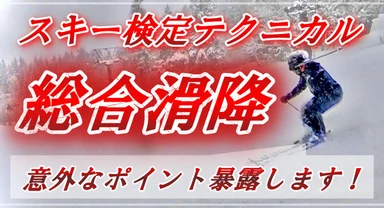
"a free run combining turn sizes and rhythms (Japanese test event) of SAJ Technical" That's it!
Speaking of a free run combining turn sizes and rhythms (Japanese test event)...
SAJ Level 1 has changed the test type from the 2020/21 season to a free run combining turn sizes and rhythms (Japanese test event)
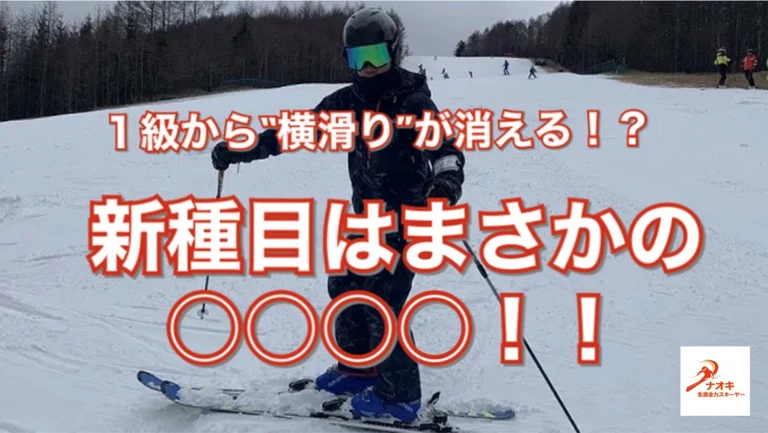
That's a free run combining turn sizes and rhythms (Japanese test event),
The SAJ Technical/SAJ Crown test is SAJ Technical and SAJ Crown, both of which are in the exam.
A free run combining turn sizes and rhythms (Japanese test event) is a free run combining turn sizes and rhythms (Japanese test event), which means that you can slide the determined bar in a free turn configuration, if it is not qualified, "What was wrong? “It’s hard to understand.
So this time...
- Difference between a free run combining turn sizes and rhythms (Japanese test event) and SAJ Level 1 and SAJ Technical
- SAJ Technical a free run combining turn sizes and rhythms (Japanese test event) Key points for passing
- Common traits of skiers who fail the test
I would like to share this theme with you this time!
Difference between a free run combining turn sizes and rhythms (Japanese test event) and SAJ Technical and SAJ Level 1
We have created a article about the difference between SAJ Level 1 and SAJ Technical in the past!
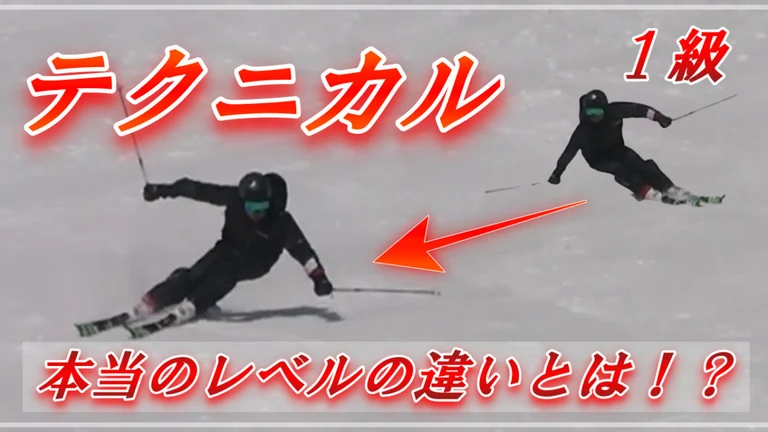
What I talked about here is
This is basically the difference in technology between SAJ Level 1 and SAJ Technical!
To give you a quick review,
SAJ Level 1 We have a big difference in the basic SAJ Technical. 2 There was a point!
- Turn speed
- Adapting to Conditions
Of course, these basic things can be said to all kinds of people!
So, this time's theme is
a free run combining turn sizes and rhythms (Japanese test event) for SAJ Level 1 and SAJ Technical differences,
The biggest difference is still 'Speed' Well to!
A free run combining turn sizes and rhythms (Japanese test event) requires a slide to connect the speed to the goal in very fast speeds.
...is the general explanation. (lol)
If you’re looking to get a little down from here, we can tell the people who are able to score high points at the level of the SAJ Technical/SAJ Crown test...
Even at high speeds, you can feel the ease of sliding.
That's what it means!
It’s not a goal to “do the opportunity,” but make an entire sliding image in your mind as much before you start and keep it practicing like sliding on that way!
The move you want can be accurate, and those who do not feel the sign of mistake will always have a high score! ^^
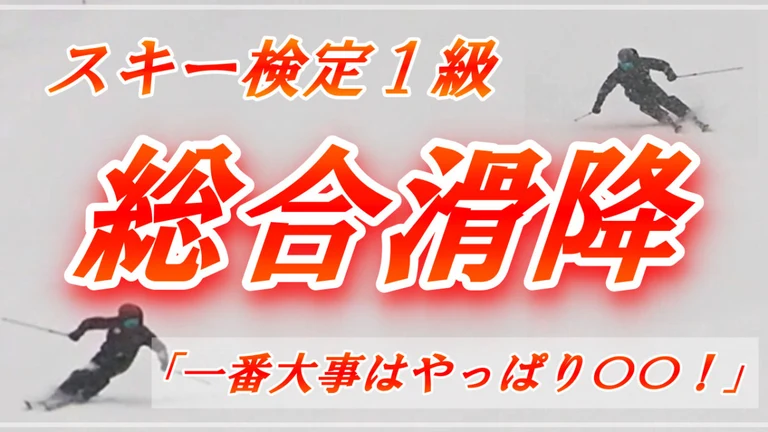
Points to get a passing score in SAJ Technical and a free run combining turn sizes and rhythms (Japanese test event)
Let’s look at the specific points for earning a passing score in the combined-turn run for SAJ Technical!
Here, I will talk about 4 in two parts!
- Turn speed
- rhythm changes / changing the turn rhythm
- transition
- fulcrum of turn
Let's take a look at each!
①Turn speed
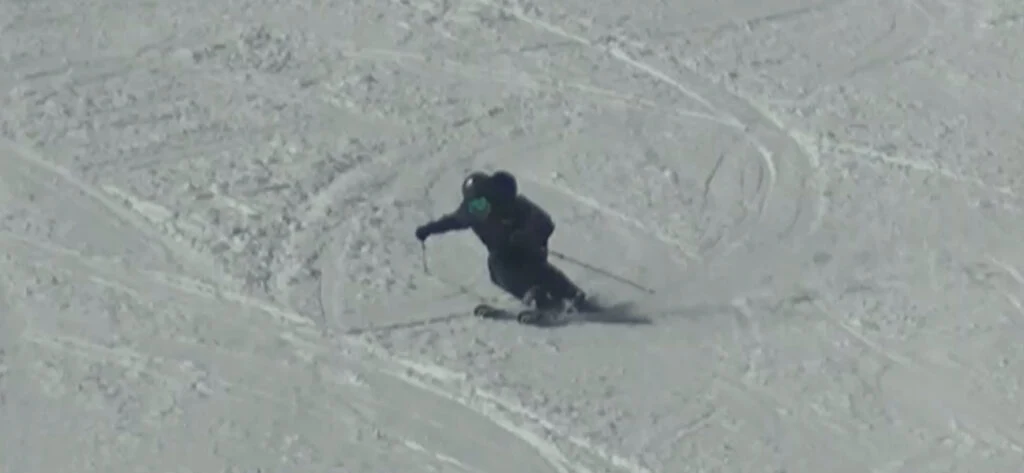
The first is 'turn speed'!
As explained at the beginning,
The most important thing in a free run combining turn sizes and rhythms (Japanese test event) is speed!
"In a free run combining turn sizes and rhythms (Japanese test event), speed is everything."
It's no exaggeration to say that no matter how beautiful your ride is, if your speed isn't enough, that alone can lead to failure!
Of course, speed throughout the run matters, but the SAJ Technical test places particular emphasis on speed within each individual turn.
The quality of the turn is much higher than SAJ level 1.
- Is it stable when caught around the valley?
- Check if your body is moving around the second part of a turn, after the fall line.
- Is it getting delayed?
From the perfection of each turn,
Are the turns the skis running through?
Let us know that it is always seen in the Pride Test! ^^
② Fewer deceleration elements in rhythm changes / changing the turn rhythm
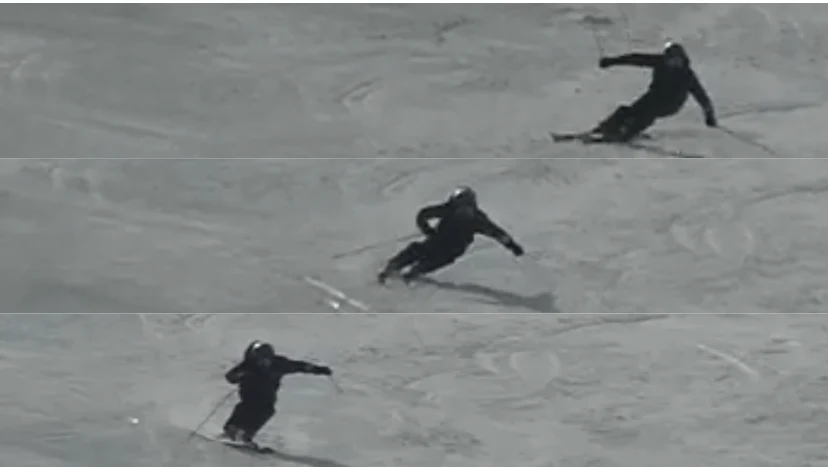
The second point is 'rhythm changes / changing the turn rhythm'!
Rhythm changes/changing the turn rhythm is also a very careful look at it, and here’s especially the point of...
Isn't the speed decreasing at rhythm changes / changing the turn rhythm?
Speed is definitely the key.
You may often see confusing explanations that say "keeping speed going until the end is important,"
In reality, you need to be careful about these rhythm changes / changing the rhythm part!
Specifically, the short-radius turn configuration from long-radius turn is very difficult and it’s likely to drop in speed!
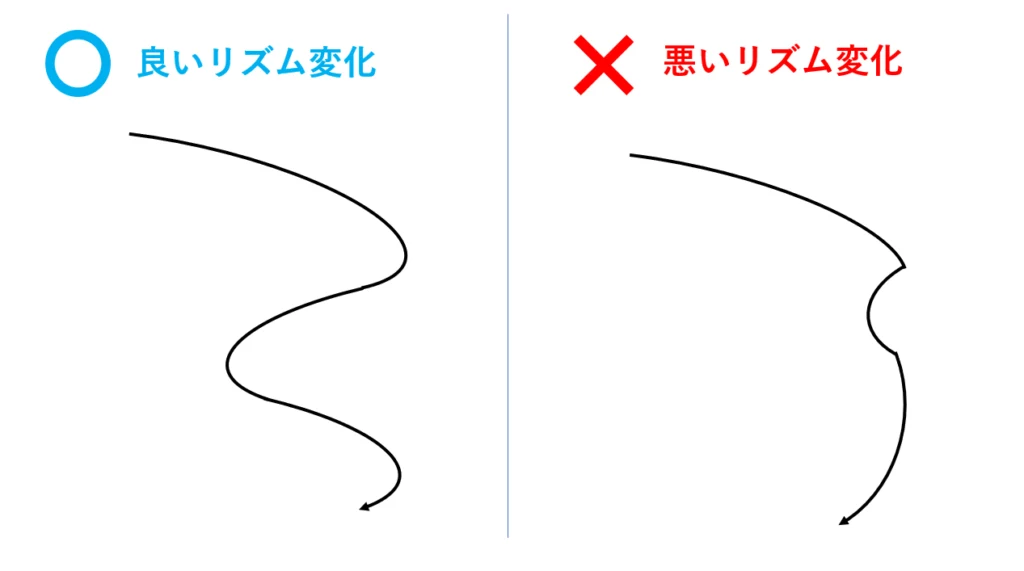
When you're speeding down a long-radius turn,
Instead of making short-radius turn rhythm changes / changing the rhythm, try to create a stable rhythm flow by making a medium-radius turn once!
③transition that does not release pressure
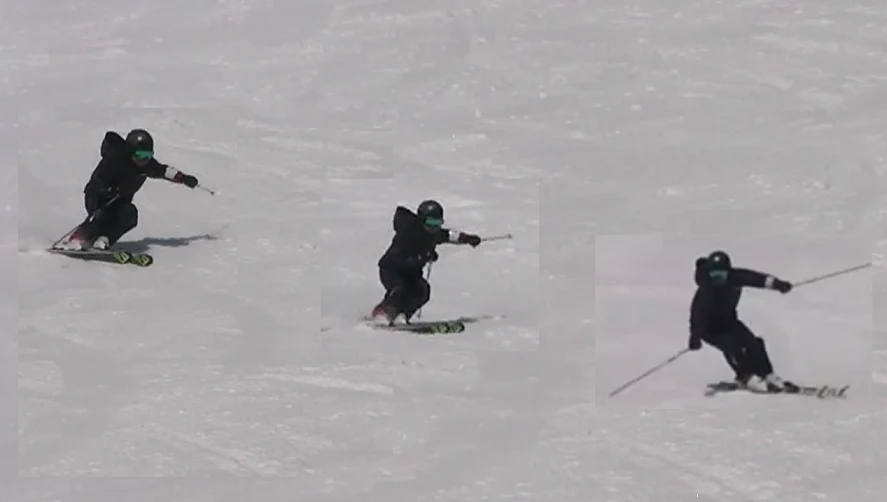
The third point is 'transition'!
Not limited to a free run combining turn sizes and rhythms (Japanese test event),
In the SAJ Technical/SAJ Crown test, the key common to all events is "Transition without releasing pressure" That's it!
I think there are many people who have been concerned with the short-radius turn type, and in the past I wrote this article, but it was still very good.
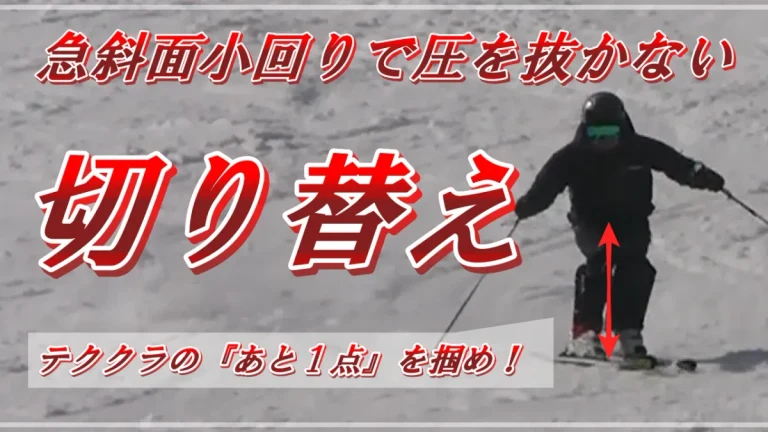
If the pressure is relieved during transition,
The biggest drawback is that your skis will lose your performance!
In SAJ Technical/SAJ Crown tests, where showing skiing performance is the most important, dying on skis is a fatal flaw...
a free run combining turn sizes and rhythms (Japanese test event), many people get deducted points because they transition up during rhythm changes / changing the turn rhythm and slowed down, so transition really needs to be cautious!
④Turn fulcrum control
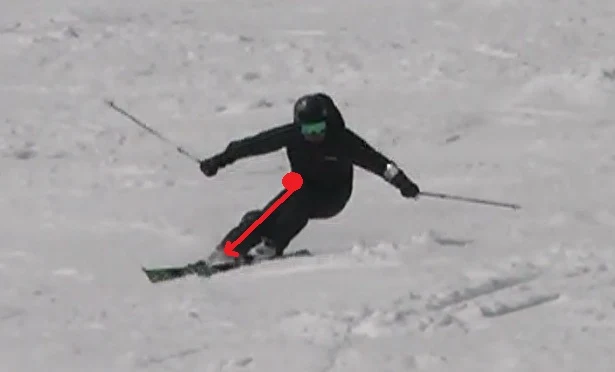
The final point is the "pivot point of the turn!"
It's about where to apply weight to the snow surface from where you put your body weight.
By changing the anchor point during turns, you can effectively apply pressure to the ski.
This personally, I thought it was a part of the very open difference between SAJ Level 1 – SAJ Technical qualifying but I think it wasn’t surprisingly listed anywhere.
Especially in the latter half of the turn, many skiers can't lower their center of mass to put pressure on their skis, making it look like they're standing while skiing and making leg movement difficult.
In other words, on the second part of a turn, after the fall line, the key is to lower the pivot point of the turn while applying pressure to the ski, but many people keep the pivot high!
I’ve also explained the details of the Cotilla article...
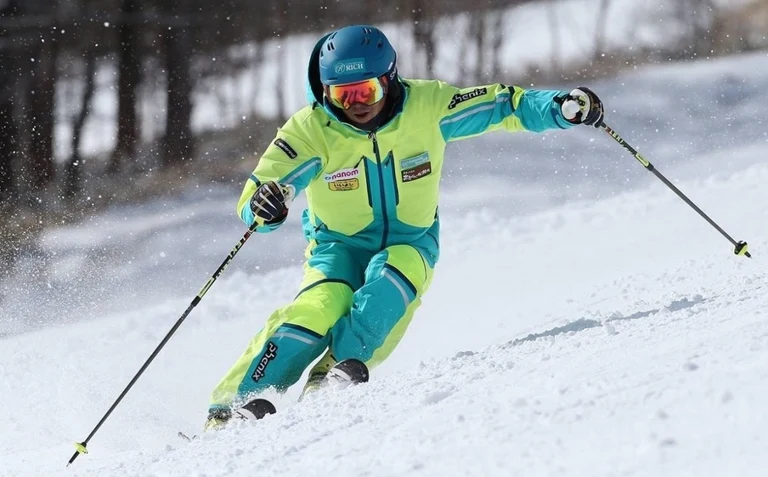
I will only explain the key points here.
The key point around the valley is
High position around shoulder ~ chest
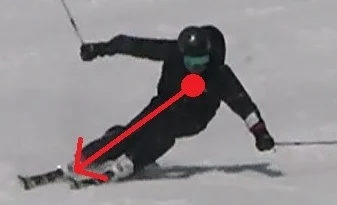
the second part of a turn, after the fall line is
Low position around the hip / hip joint
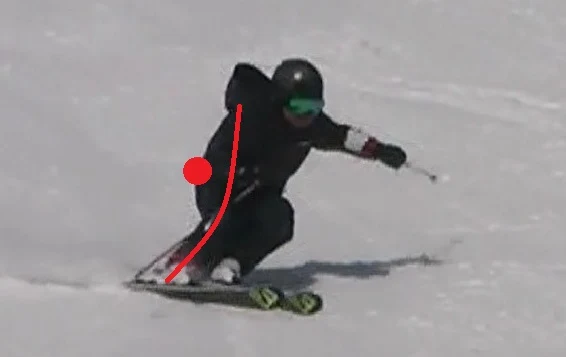
The reason for moving the Pivot so low in the latter half of the turn is,
By making the shaft arched like a bow, it can withstand stronger pressure than by lifting it high or long. That's right.
If you can use your feet softly here to accept the pressure from the snow and take advantage of skiing, the SAJ Technical/SAJ Crown test is also present!
Characteristics of people who fail SAJ Technical a free run combining turn sizes and rhythms (Japanese test event)
Next, we will present a free run combining turn sizes and rhythms (Japanese test event) of SAJ Technical to the most common features for those who are not qualified!
Recently there are a lot of testing videos on YouTube, so it will be very helpful to consider what the disadvantages of those who do not qualify!
NaokiIt's a convenient time!
Reason for failure ① Not fast enough
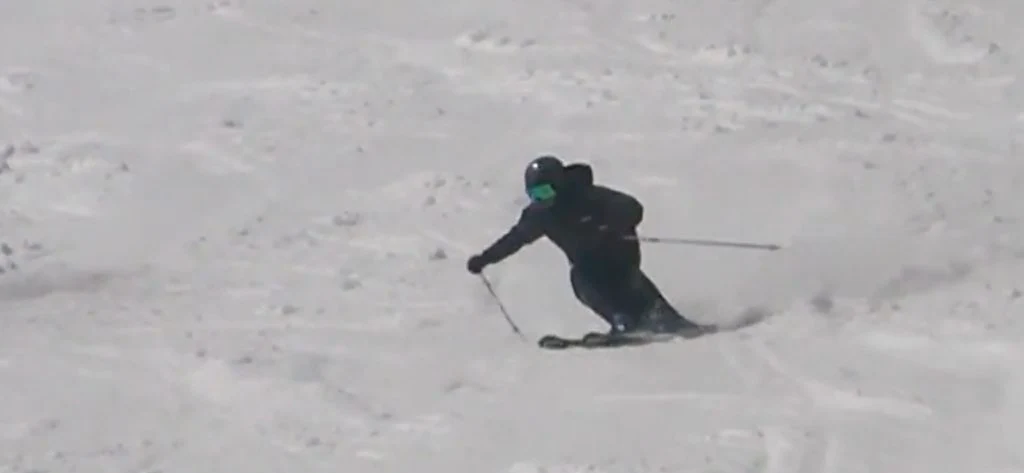
After all, the overwhelming majority "Lack of speed" That's it!
It is better to simply be a bit of speed, but as it is common to those short-speed people,
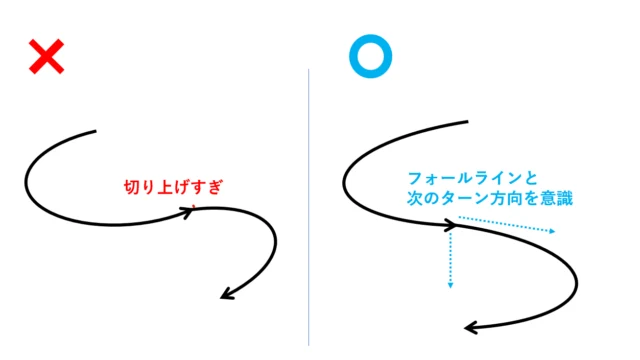
long-radius turn pulls the turn too much to the side
There was a drawback.
If you pull the turn too far,
The timing of transition will be delayed.
If you are too conscious of finishing your turn,
Be careful not to pull it to the side!
Instead of rounding up the turn,
Be aware of both “fall line direction” and “Next turn direction” to make the turn end-transition. Let's be conscious!
Reason for failure ② Not able to turn with rhythm changes / changing the turn rhythm
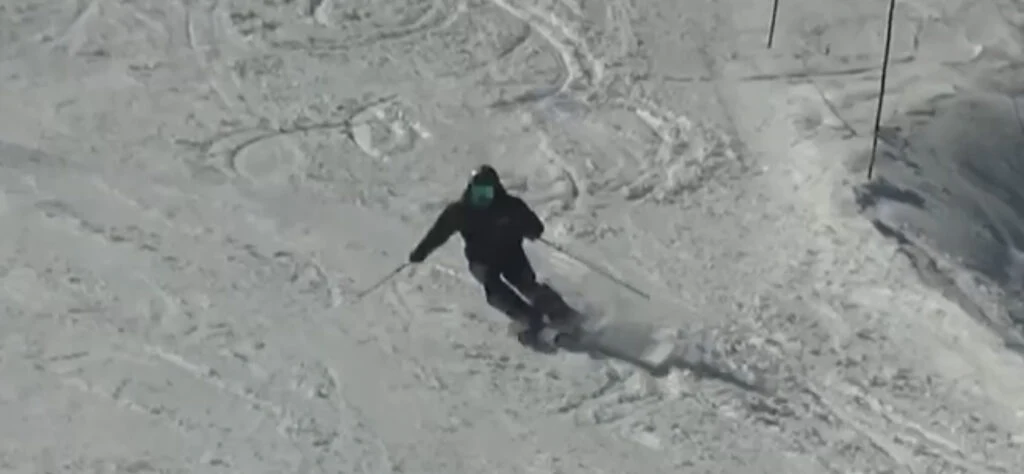
Rhythm changes/changing the turn rhythm is often when you put short-radius turn in, but it doesn’t fit time. Turn arc not drawn condition.
The rhythm changes/changing the turn rhythm is very easy to get down!
There are many things that do not be good, but the flow is not going to be a bit better.
- putting body weight on the skis and ski edge become sweeter too.
- I can't see the snow surface
- Tends to move only the upper body
Like,
As a result, it is not enough to get rid of speed.
It is important to be aware of one turn and finish it gently.
At the end of the turn, skies take pressure from the snow side and move on to the next turn without a hurry. If you can,
You can get a beautiful turn with a little flow of slowing elements!
Reason for failure ③ Rushing movement of the center of mass and destroying balance
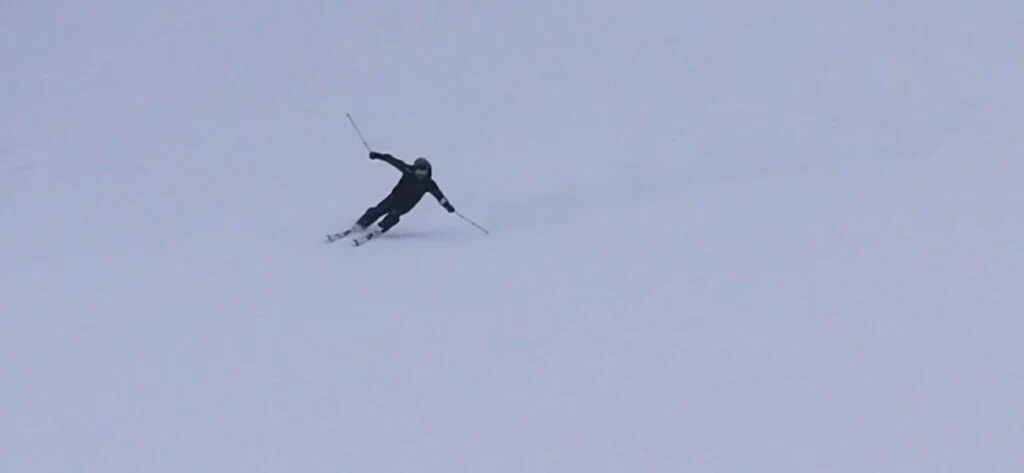
"outside foot / outside leg flies away" That's called
Often mistakes are due to this.
If the movement of the center of mass is too fast or you press on ski at the end of the turn, the capture of outside foot/outdoor leg will also become soft and the finish of the turn will not be enough.
Steep slope is fast and the upper body is not stable.
Of course, it was a slippery slope that I couldn't afford.
It’s easy to get a low point...
First of all, don't panic We will gently take the transition and the next turn, and gently make a turning arc. That is important.
Before you start, make a full rhythm change/changing the turn rhythm and then start!
Tips for getting additional points in SAJ Technical's a free run combining turn sizes and rhythms (Japanese test event)
A free run combining turn sizes and rhythms (Japanese test event) for Aggressive Skiers, we will introduce you to a free run combining turn sizes and rhythms (Japanese test event) in SAJ Technical.
Whoever wants to get a score in the test, I recommend not doing too much.
Only in the conference you can use the technique when you want to score more than others, so read it and don't lose.
Incorporate unexpected movements
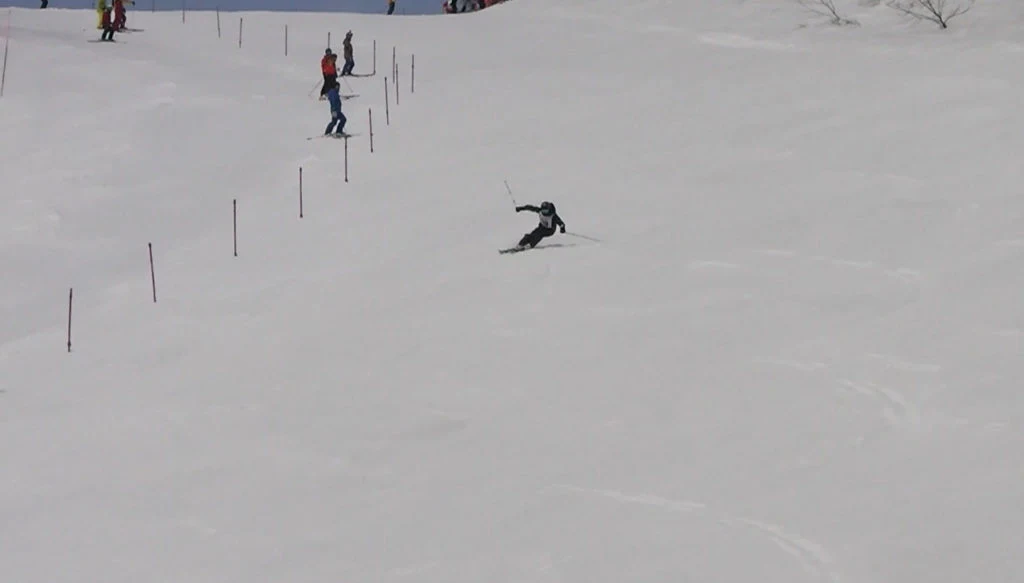
In order to show off the range of technology,
Not just ordinary movements, A move that defies expectations in a good way Enter.
After getting up to speed with long-radius turn,
If you can put short-radius turn with quick control without slowing, there is a great impact!
Grasp the snow surface firmly,
If you can connect speed, you can also aim for additional points!
And then, try to go through the lines that no other person has gone through or think about a completely different composition of acting.
Even if you just do something different from others,
A free run combining turn sizes and rhythms (Japanese test event) is recommended!
Of course, we are prepared to take a lot of risk! laughing
Create a performance structure that takes advantage of the terrain of the exam barn
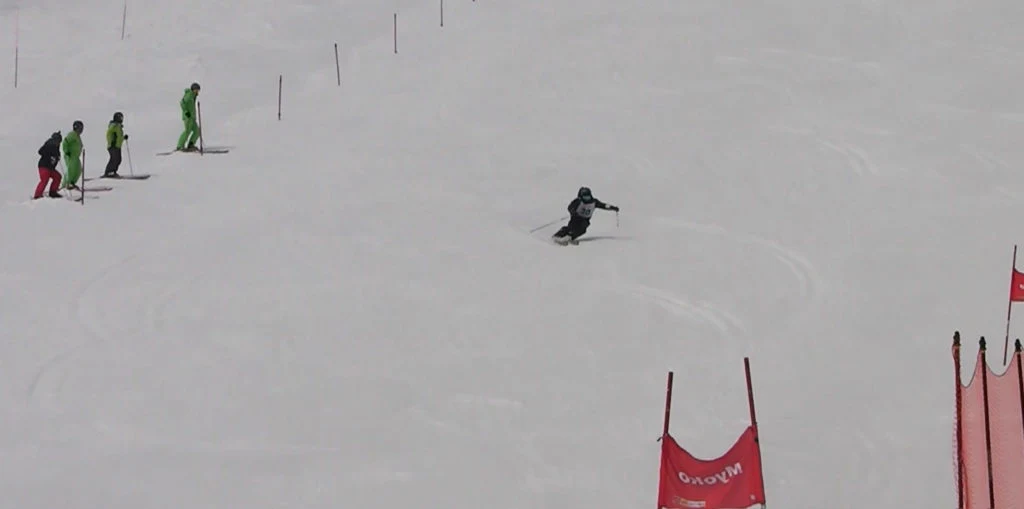
By not continuing to use the same turn size, Challenge yourself to compose your performance using the entire slope It's a slippery slope.
Slope changes, single slope, etc.
There are many places in the area that are not certain by testing barns.
This is your chance to score extra points!
It’s a good idea to change the turn size and try in rhythm changes/changing the turn rhythm, or try by the speed without falling!
Consider the length and landscape of the course, make a picture of the entire performance!
[Summary] a free run combining turn sizes and rhythms (Japanese test event) of SAJ Technical Prize
Now, here's the summary for this time!
- Points to get a passing score in SAJ Technical and a free run combining turn sizes and rhythms (Japanese test event)
①Turn speed
② Fewer deceleration elements in rhythm changes / changing the turn rhythm
③transition that does not release pressure
④Turn fulcrum control - Characteristics of people who fail SAJ Technical a free run combining turn sizes and rhythms (Japanese test event)
not fast enough
Unable to turn with rhythm changes / changing the turn rhythm
Rush movement of the center of mass and destroy balance
So,
What did you think?
SAJ Technical’s a free run combining turn sizes and rhythms (Japanese test event) increases the level from SAJ Level 1 to the speed range that is required.
But not just getting out of speed and starting, but without increasing the “turn quality” one by another you can’t pass!
We are preparing a course to the high-level skiers who aim to qualify for such SAJ Technical.
As I explained this time,
SAJ Technical cannot break without raising the basic turn itself to a level!
The skiers who are aiming to get SAJ Technical qualified must definitely learn the quality of the turn needed to break through the prey test wall on this plane!
We’re also creating a new article for the skiers who are looking to get SAJ Technical qualification, so please look at those interested!
-
 Complete guide to the SAJ Technical SAJ ski test: discipline tips, difficulty and pass ratesPrize Testing First and Greatest Branch Prize Testing First and Greatest Branch SAJ Technical Prize If you have passed well to the SAJ Level 1 skiers, SAJ Technical is not a single line or one.
-
 How to Score Passing on the SAJ Technical Long-Radius Turn of the SAJ Ski Proficiency Test [Three Features Revealed Through Personal Experience!] 】This article is for advanced players SAJ Level 1 and above! Here is the theme! SAJ Technical long-radius turn Key points for passing As you all know, SAJ Technical is even more ski proficiency test SAJ Level 1...
-
 Three points to pass the SAJ Technical Short-radius turn in the SAJ ski proficiency testWhat is the difference between SAJ Level 1 and the short-radius turn technique!? Many people struggle with short-radius turn... Many skiers struggle with SAJ Technical/SAJ Crown test as well. So this time, what is the difference between SAJ Level 1 and short-radius turn technique? How...
-
 [Most Difficult Level] How to Conquer ski proficiency test SAJ Technical uneven terrain short-radius turn (mogul / bump) [SAJ]As expected, the final challenge! How do you overcome it? This time, it's SAJ Technical uneven terrain short-radius turn! To jump straight in, what is the biggest point of SAJ Technical uneven terrain short-radius turn... Controlling the misalignment...
- A thorough explanation of the transition for breaking through SAJ Technical long-radius turn SAJ ski proficiency test! How to improve the stepping motion
- Revealing the secret method to instantly make your silhouette look cool around ski valleys! SAJ Technical pass instantly by putting body weight on the skis from ○○!?
- [Includes Ski Video] SAJ Technical bonus long-radius turn revealed! A detailed explanation of the skillful turning techniques hidden behind high scores!
- [Ski long-radius turn Advice] How to maintain movement of the center of mass ankle transition and SAJ Technical to pass
So that's it for this time!
Please watch until the end,
Thank you very much!
感想や質問があればお気軽にどうぞ!
0件のコメント