Be careful of "waist height"! !
 Naoki
Hello everyone!
I’m Naoki, a Japanese skier who gives skiing his all for life. I specialize in Japan’s SAJ ski tests and have helped many skiers pass.
This time everyone is familiar!
skiing trouble consultation series!
my Online school At,
I want to get a good score in the exam and the conference, but I’m more likely to answer the advice I received than Skiers!
This time for SAJ Level 1 examinees of SAJ ski proficiency test
I’m going to explain the difference between “High” and “Upper”!
Suddenly there is a problem!
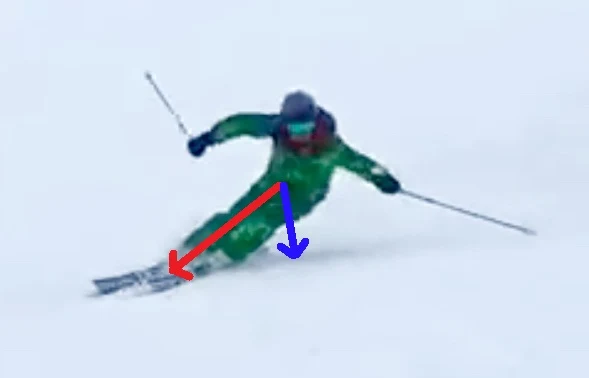
(You who have seen my site well, you may have seen the picture.)
If you missed the answer to this question, please read this article!
Your sliding is likely to have lost a big point in this mistake, so be careful about this content.
So why are you a SAJ Level 1 examinee?
That is not a very deep meaning.
How much more of this topic is concerned? I think it’s just about SAJ level 1!
Of course, those who are
This is the story of positioning and putting body weight on the skis, so you can see it.
What is the difference between “koshitaka” and “koshitaka”?
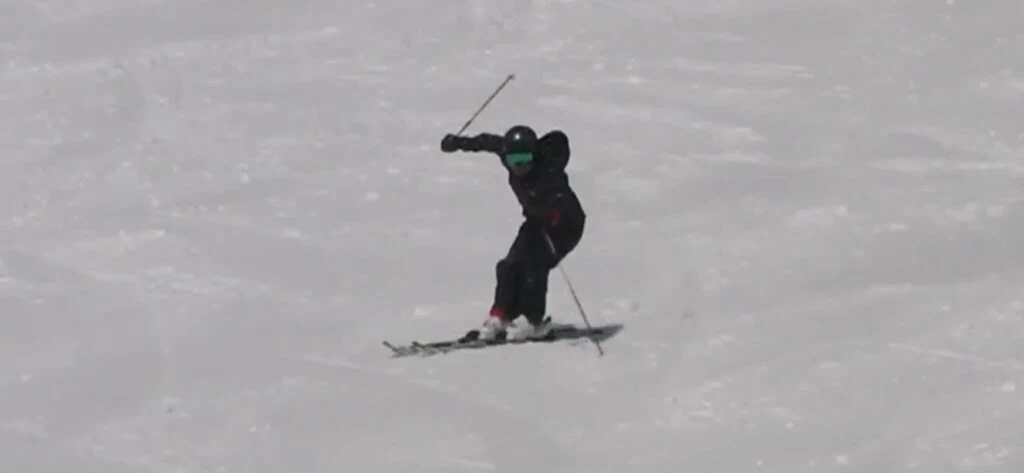
What is the difference between starting up and getting on top? Let us explain it from that!
Right away, here's the answer!
The direction of standing up when turning is different!
What I mean is,
Vertical or directly above slope? That's the difference.
By the way, I'm talking about the phenomenon of passing directly above slope."unweighting / reducing the load on the skis" That's what they say.
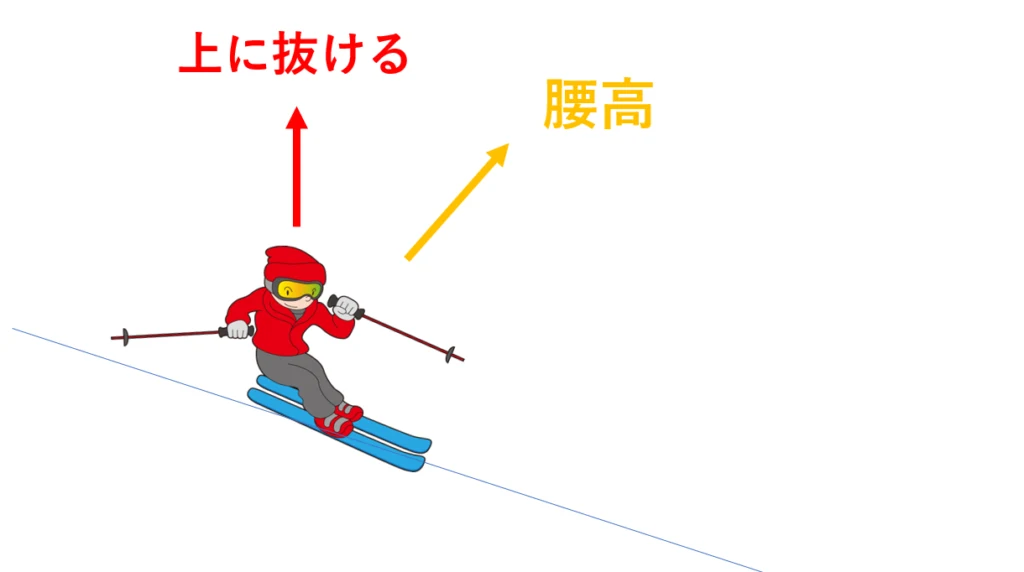
- Waist height: stand up perpendicular to slope
- unweighting / reducing the load on the skis: Stand up directly above slope
It just depends on which direction you stand up.
The quality of the turns is also completely different.
In the first stage of the SAJ level 1 long-radius turn, it is not a matter of exaggeration.
So from next time,
``High waist'' And『unweighting / reducing the load on the skis』I will explain each one in detail!
Terminology explanation for “Koshidaka” and “unweighting / reducing the load on the skis”
Well, so far I was talking about the standing direction and unweighting/reducing the load on the skis.
Well then What does each mean for skiing? Let's take a look!
What is waist height?
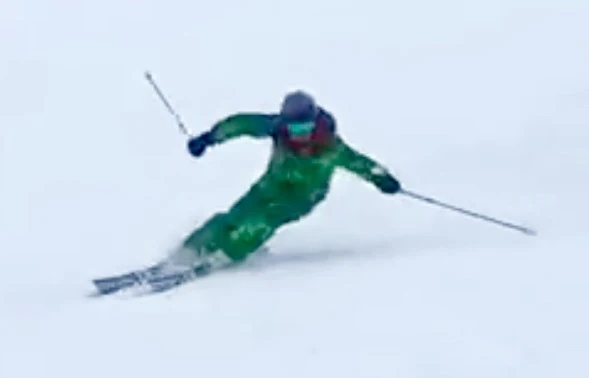
I think the word “sky” is the most misleading term in Dante.
First of all, as a major premise,
Waist height does not mean the height of your waist to the ground! !
 person with worries
...What, what is it?
That's what you get, right? lol
This is the point where there is the most misunderstanding!
Actually, I have written an article like this in the past.
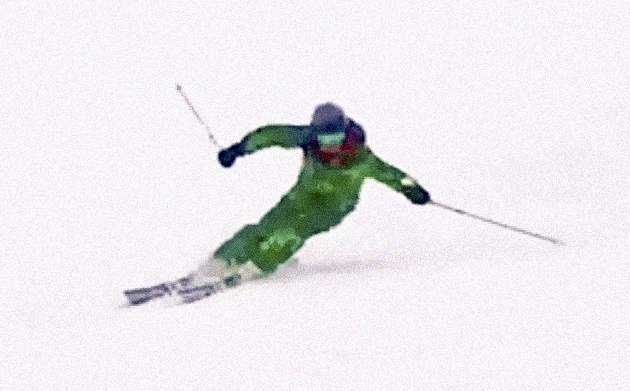
What I explained here is
Waist height does not mean waist height from the snow surface.
Boots ~ waist height!
That's all there is to it!
Anyone who has read the above article will repeat...
Illustrated in an easy-to-understand manner,
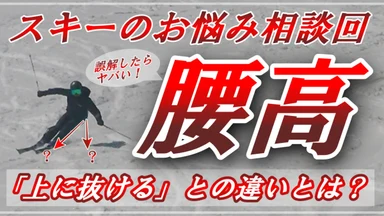
This is the one that appeared at the beginning!
- "Boots ~ Waist" of↙
- "Ground - Waist" of↓
In other words, Taking the red shell long (high) means taking a high position!
And to make this high position, not go up when you turn into the turns.
Just drop the center of mass to the valley and go up in the slope and vertical direction!
What is unweighting / reducing the load on the skis (exit upwards)?
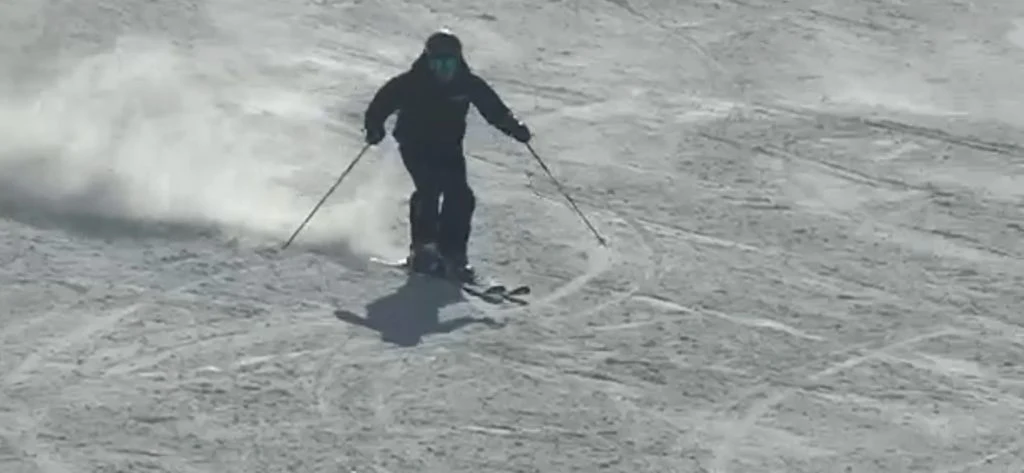
Next is about unweighting / reducing the load on the skis!
"unweighting / reducing the load on the skis" is literally,
The pressure is released by standing up straight up.
I have recently seen many articles and videos about “going out” but I think it’s...
It's not good to go out on top!
Unweighting/reducing the load on the skis is not a way to pass SAJ Level 1, but unweighting/reducing the load on the skis is a great deal!
Unweighting/reducing the load on the skis is just a thing that you can think about.
- I can't see the snow surface around the valley.
- skiing does not run
- Easy to break balance
If you get a SAJ level 1 score, you will have a low point if you have an unweighting/reducing the load on the skis at a prize or higher level.
Be careful not to confuse the movement that goes up and rise!
The correct answer is “keep your hips high without going over the top”!
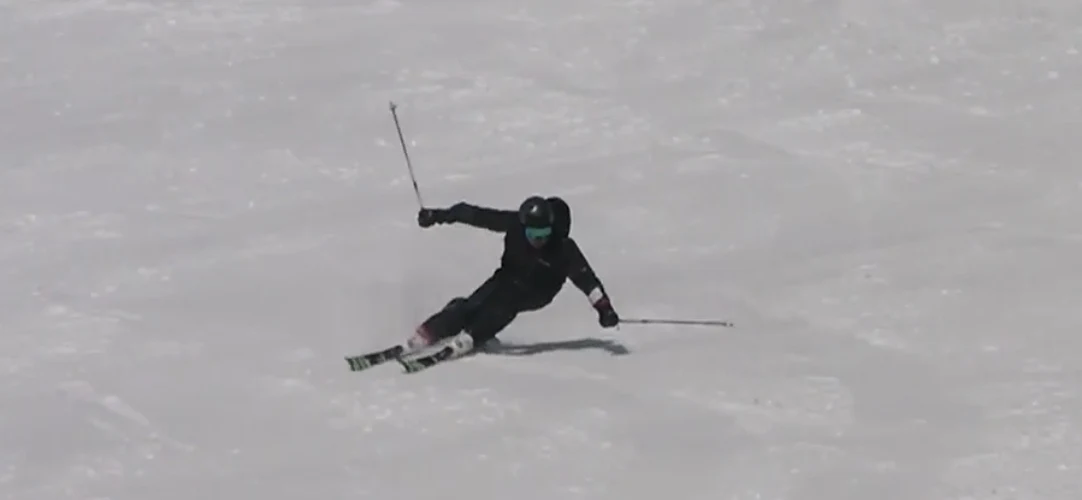
If you look at the silhouette, it’s quite confusing to unweighting/reducing the load on the skis.
The correct way to think about and move when entering a turn is
Create a high waist position without going over the top
I have to make it both, so it’s hard.
How do you get to make a “up and out” position?
Next, I will explain how to do it!
unweighting / reducing the load on the skis Tips for creating a high waist position
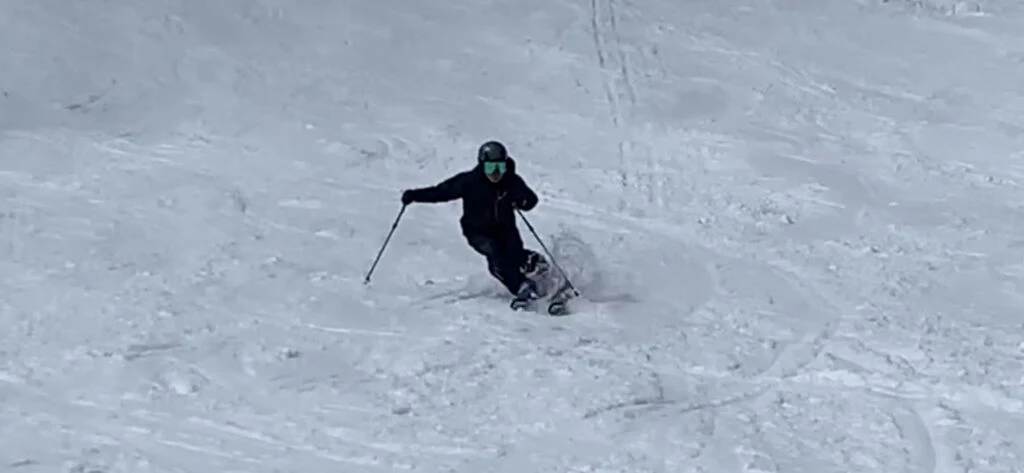
For the training and training methods, you can see this manual!

I thought it was going to be a manual advertising and I would like to finish.
I will present you a little bit for those who have read this!
As explained so far,
The unweighting/reducing the load on the skis movement is completely different.
In the turn you make a move to stand up, but there you are aware that not to get up and slope and rise up in vertical direction.
Again,
Right on this picture!
By doing so,
The center of mass can also fall to the valley while creating a high-level position and enter into the valley.
 Daruma Sensei
Go around the valley and drop center of mass to the valley side!
Some people who have ever been advised, knowing the direction of standing will improve position and putting body weight on the skis!
[Summary] Difference between waist height and upward movement
Now, here's the summary for this time!
- The difference between the mountain and the move to go above is the difference in the direction you stand up when you turn into.
- The slope is vertically against the slope, and unweighting/reducing the load on the skis is a difference in moving to the top.
- Make it right to make a high position so that you can not get out!
- To make the back up, you should stand up in a slope vertical. Then nature and the center of mass can also fall to the valley side while you can turn around the valley.
So,
What did you think?
In this article,
If you can’t, however, understand the “sight” rightly, it is OK!
NaokiFirst of all, you can understand it with your mind!
Whoever has been misunderstood or not understood, let us keep it in mind before doing this!
感想や質問があればお気軽にどうぞ!
0件のコメント