 Naoki
Hello, everyone!
I’m Naoki, a Japanese skier who gives skiing his all for life. I specialize in Japan’s SAJ ski tests and have helped many skiers pass.
First of all, thank you for signing up for my online course!
This is provided as a review bonus
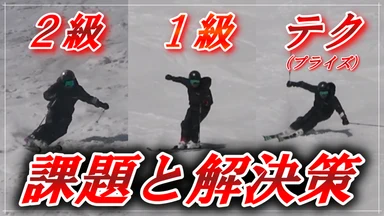
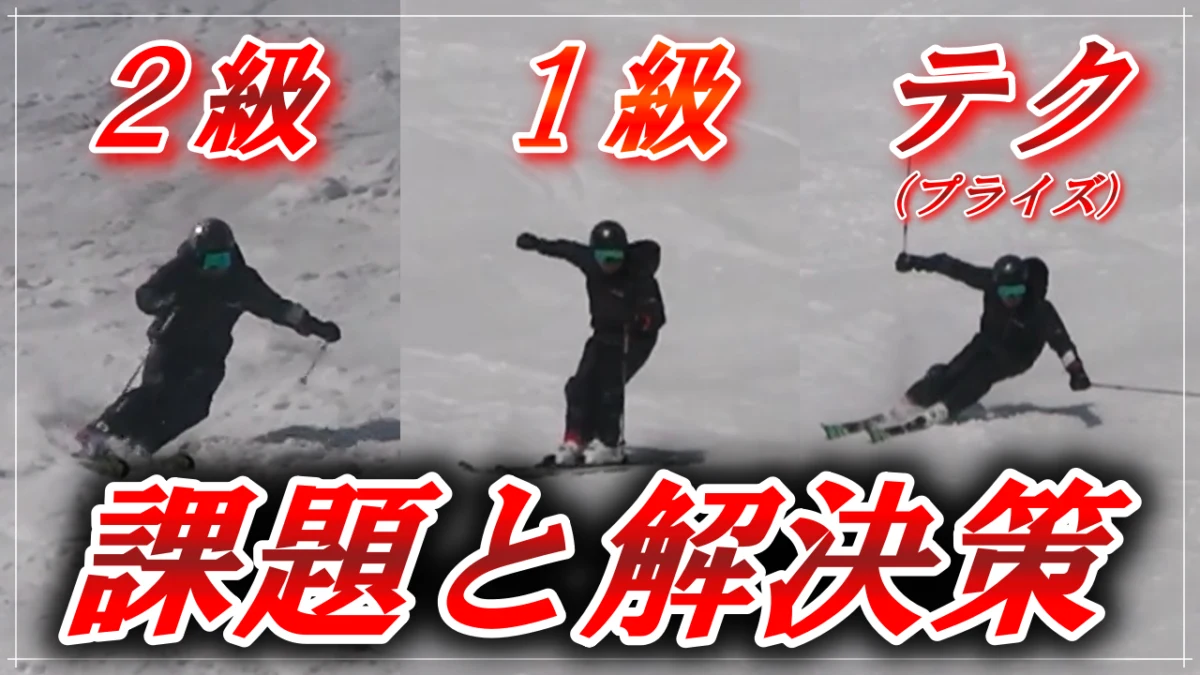
Using each level of the SAJ Ski Badge Test as a benchmark, the respective Challenge and Solutions I've put that together!
These were challenges shared by many people at every skill level, so I think you'll find them extremely useful whether or not you take the SAJ ski certification test!
I think many of these points will apply to you too, so please read them as though they were your own questions and the answers to them!
Reasons for Failing the SAJ Level 2 Ski Test
Let's start with SAJ Level 2.
For reference, the standard for SAJ Level 2 is that skiers who have learned to ski with their skis together can make turns in a free rhythm. It's the first level that beginner-to-intermediate skiers aim for!
Now, here are the common reasons for failing!
- Insufficient angulation prevents you from standing on the outside ski (leaning too far inside and losing outside-ski support)
- The hips rotate too far inward, causing the turn to break down
- Unable to control speed and nearly out of control
- The skis don't become parallel and the feet won't come together
- Rough transitions between turns that lack smoothness
Now, let's look at each one in detail!
Insufficient angulation prevents you from standing on the outside ski (leaning too far inside and losing outside-ski support)
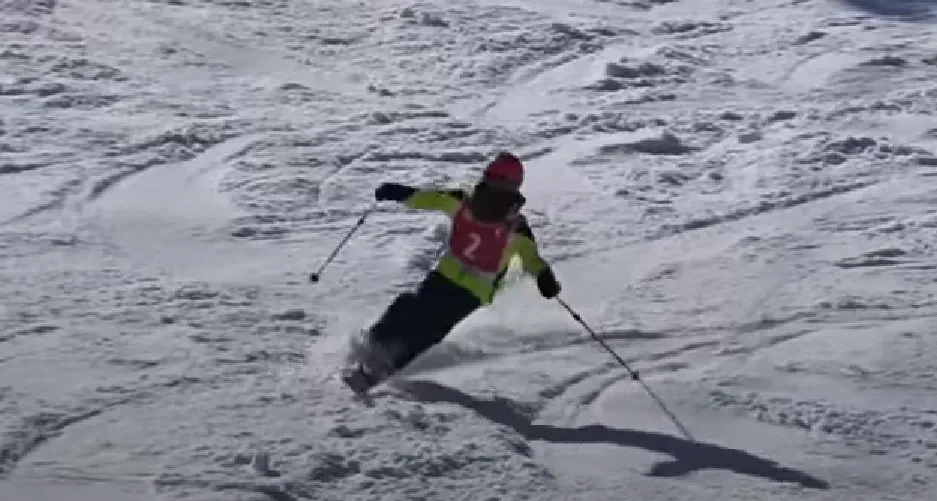
First, regarding leaning too far inside and losing outside-ski support,
This is one of the most common issues, especially at SAJ Level 2 and Level 1.
You're simply standing on the skis without actually performing any movement to apply your body weight.
In this state,
You will fail 100% of the time
So, those who have watched my course probably understand this, but
What you should focus on is, of course, angulation.
For reference, review these fundamentals of putting body weight on the outside ski until you practically know them by heart!
The hips rotate too far inward, causing the turn to break down
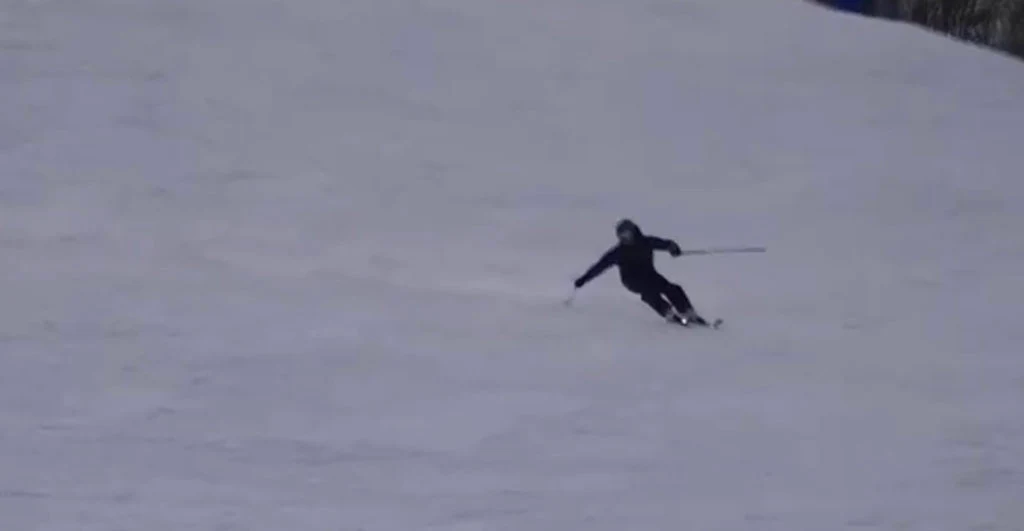
Inward rotation is also an extremely important point.
Inward rotation means the hips begin facing toward the inside of the turn too early in the first half of the turn.
When this happens, especially for people at this stage
Many people let the direction of their hips pull their center of mass away from the outside foot, preventing proper weighting.
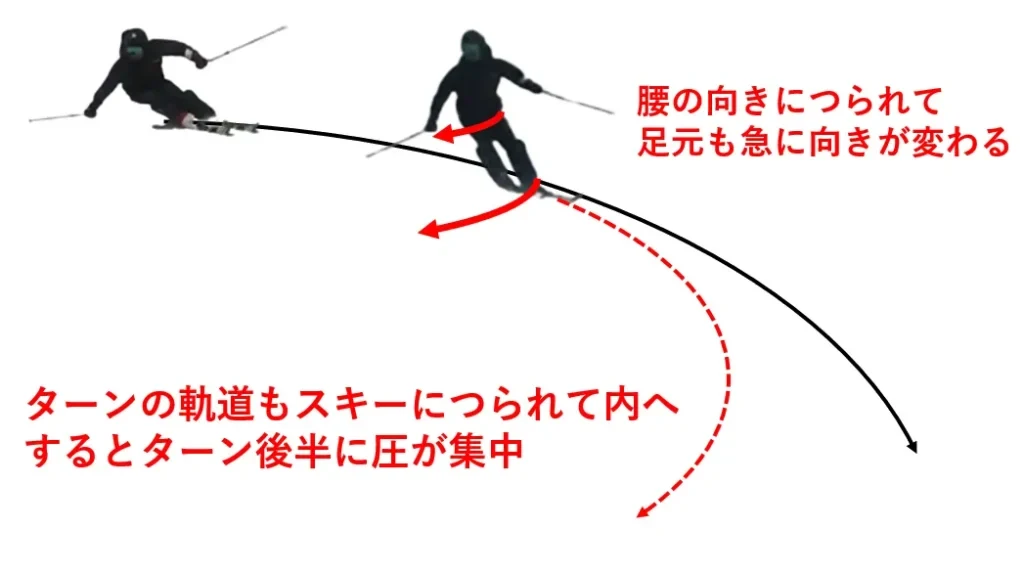
When entering the turn,
Make sure to keep your hips properly countered!
This is an extremely important point!
I've also explained this on YouTube, but
This is extremely important, but many people haven't mastered it yet, so please check whether you can do it!
Unable to control speed and nearly out of control
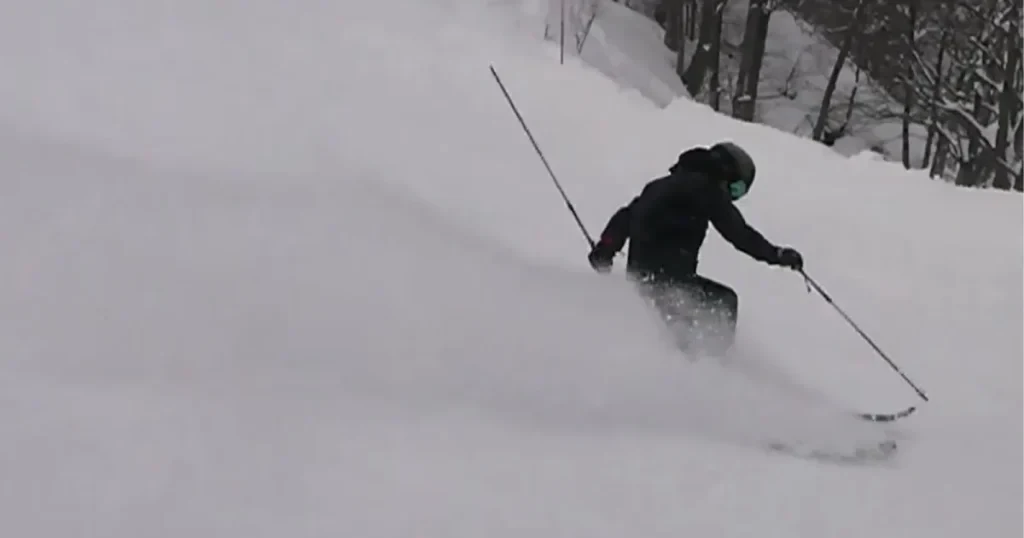
Losing control of speed is especially common in short-radius turns.
Because you're descending in a straight line,
Controlling your speed becomes extremely difficult.
And if you reach the finish without being fully in control, you'll fail 100% of the time because of 'safety concerns even before technical proficiency is considered.'
Especially at SAJ Level 2,
Be able to control your speed while drawing turn arcs and ski safely
That's the minimum requirement.
And what's essential for speed control is
'Using skidding effectively' That's it.
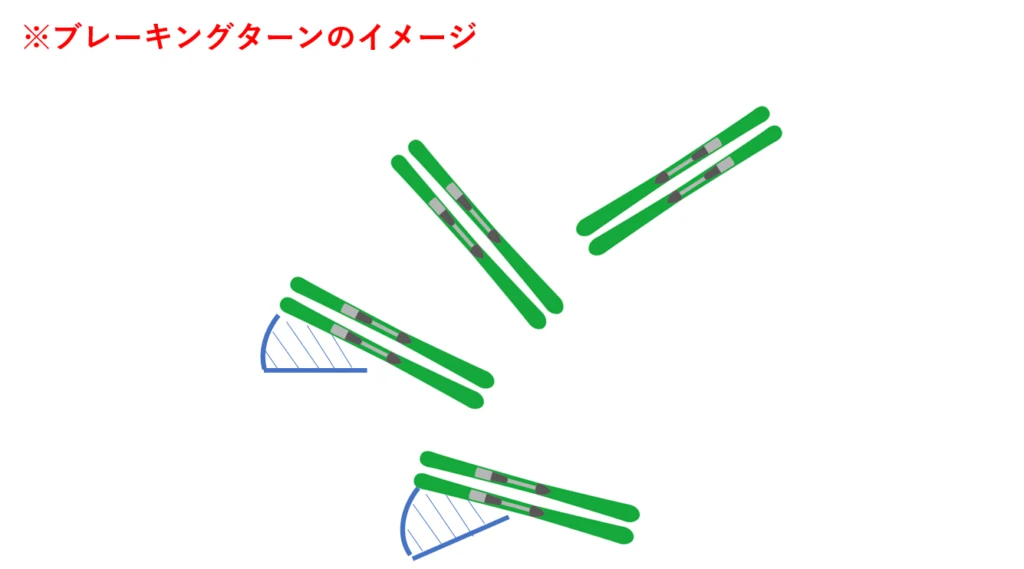
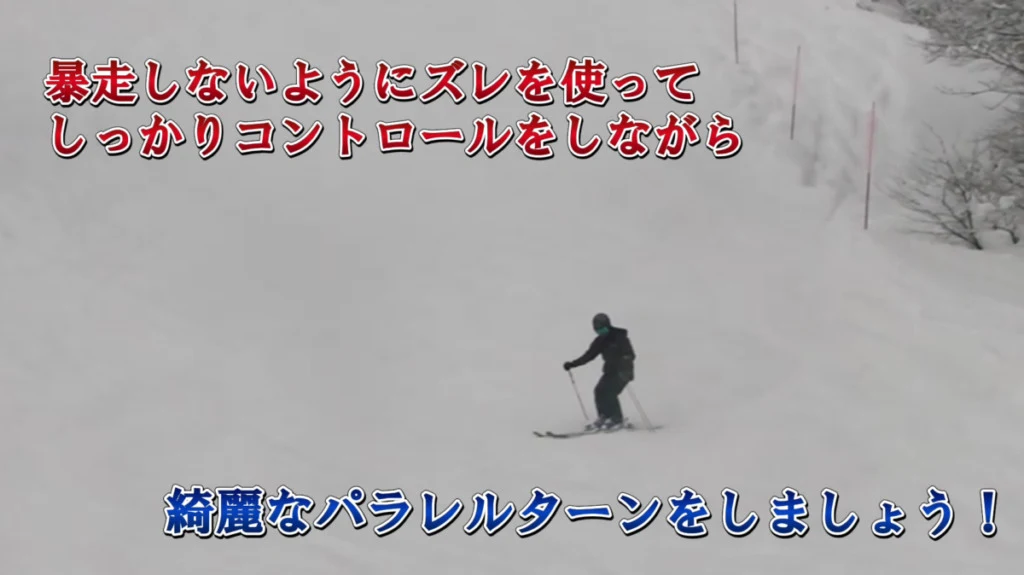
The fundamentals of using controlled skidding at SAJ Level 2 are
Gradually reduce speed by scraping snow with the skis during the second half of the turn.
The skis don't become parallel and the feet won't come together
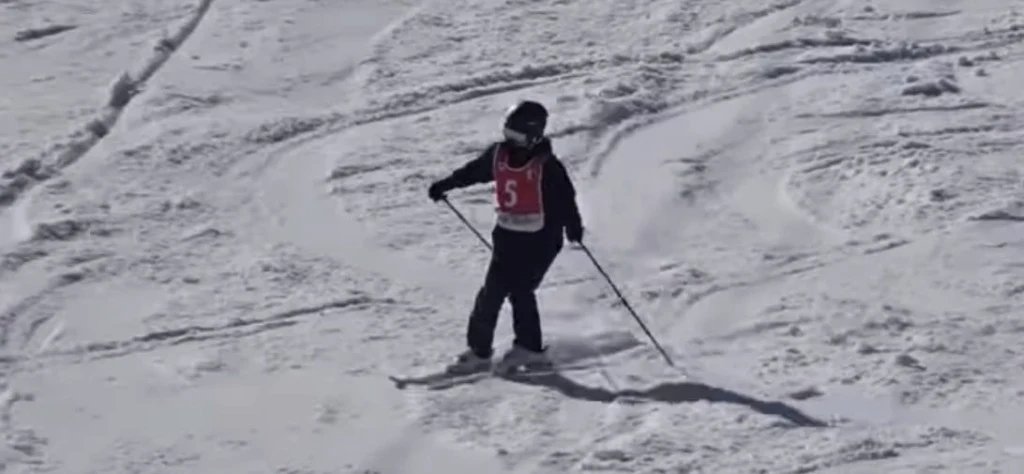
Since it's a parallel turn,
The basic principle is to keep both skis together.
However, things such as rushing... or insufficient technique...
Many people also struggle to bring their skis together properly.
That said...
 Daruma Sensei
Focus on bringing them together!
Even if someone tells you that,
If I could fix it with awareness or determination alone, I'd have done so already.
So what is fundamentally necessary to improve the precision of your parallel turns?
The answer to this already exists.
That is...
Be thorough about putting your weight on the outside ski!
That's what it all comes down to.
To put it clearly,
The reason the two skis don't stay parallel is...
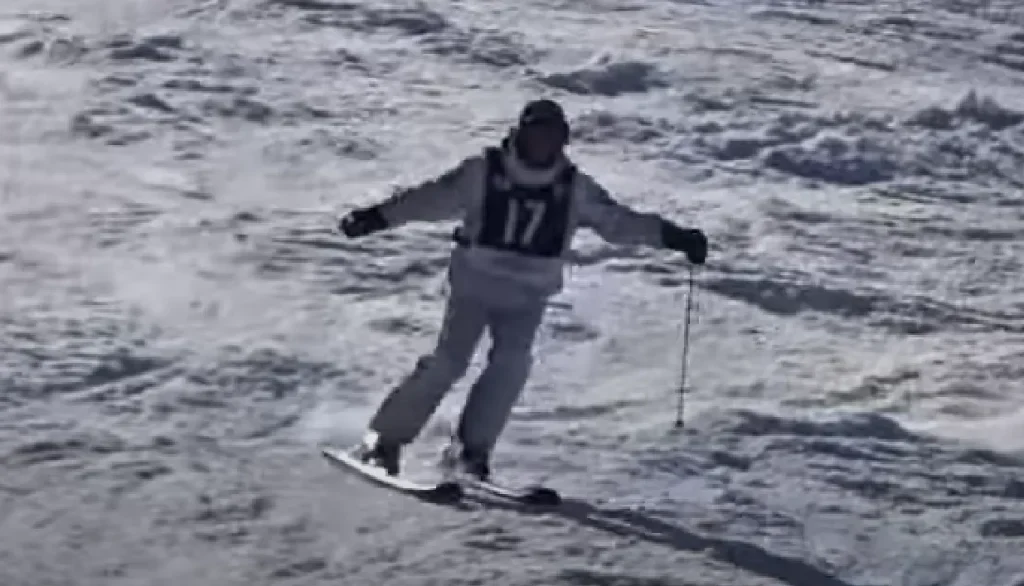
So, first of all
Outside foot : inside foot = 10 : 0 Let's aim for that.
The key to outside-ski weighting is
It's just as shown in the video I shared earlier.
Rough transitions between turns that lack smoothness
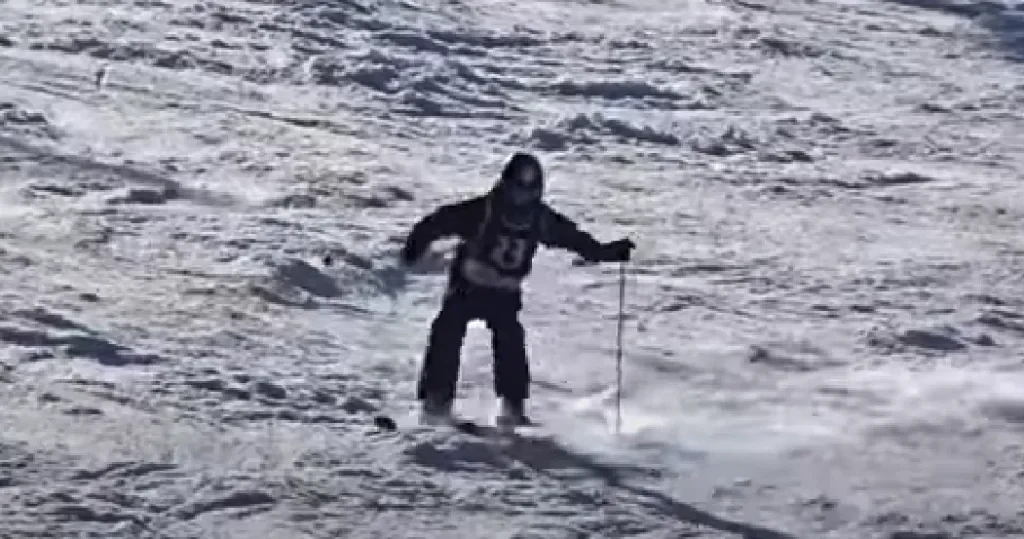
Finally, the transition.
Here too, you can't make a smooth transition, and
Ultimately, this leads to leaning too far inside and losing outside-ski support, inward rotation, or losing control of speed, so the problems and solutions are basically the same as before.
If I were to add just one more thing...
Make sure to bring the skis neatly together during the transition too!
That's what it means.
I describe the transition as 'The beginning of the turn' That's what I believe.
Weighting and body orientation during turns are of course extremely important, but quite a few people focus only on those aspects and end up making rough transitions.
Even though the skis are separating during the transition
You can't make high-quality turns
I hope you'll keep that firmly in mind!
Reasons for Failing the SAJ Level 1 Ski Test
Now, next up is SAJ Level 1.
Many of my students are also aiming for SAJ Level 1, so I hope you'll find this helpful!
Now, here are the common reasons for failing!
- Excessive inward rotation of the hips reduces turn quality
- Insufficient weight on the outside foot causes instability
- Excessive skidding and braking interrupt the flow
- Sloppy transitions cause poor connections between turns
Now, let's look at each one in detail!
Excessive inward rotation of the hips reduces turn quality
This is the same as at SAJ Level 2.
The details overlap with the explanation for SAJ Level 2, so pay particular attention to your hip orientation when entering the turn.
→Review the SAJ Level 2 explanations
Insufficient weight on the outside foot causes instability
The same caution as for SAJ Level 2 applies here.
As this overlaps with the explanation for SAJ Level 2, pay particular attention to the direction your hips are facing as you enter the turn.
Regarding outside-ski weighting,
It's a challenge at every level.
Even though it's the most important fundamental,
How much movement is necessary? This is not explicitly stated in any textbook!
We've already explained that in great depth in this course!

To make sure your technique never falls short, keep reviewing the 'Fundamentals of Outside-Ski Weighting' video I introduced earlier and practice thoroughly.
→Review the SAJ Level 2 explanations
Excessive skidding and braking interrupt the flow
This is the biggest difference when progressing from SAJ Level 2 to SAJ Level 1.
A major theme of SAJ Level 1 is...
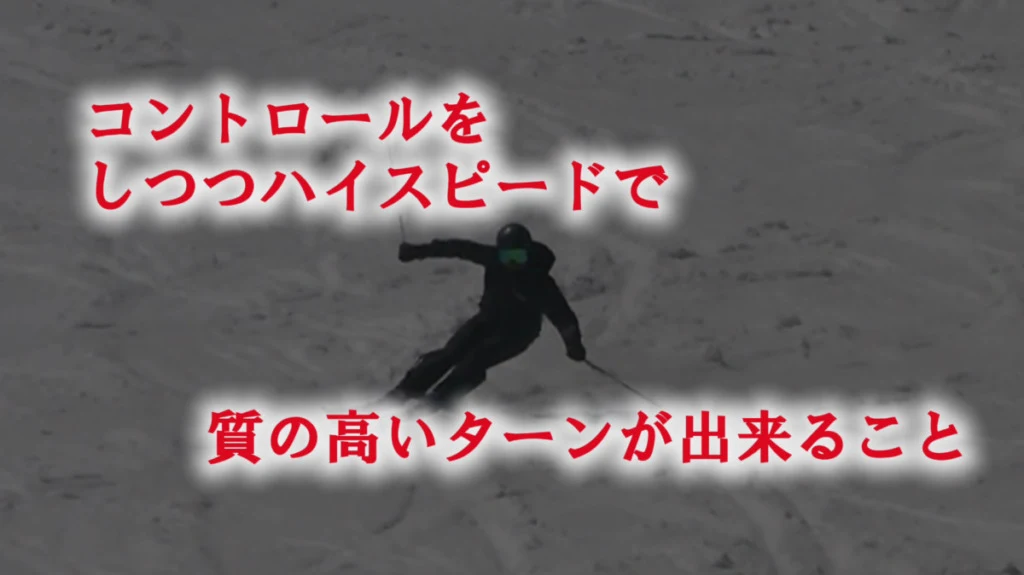
At SAJ Level 2, while skillfully using controlled skidding
Controlled skiing is important, but...
At SAJ Level 1, while still using controlled skidding,
You're required to make turns at speed on steep slopes.
Therefore,
Use skidding in the first half of the turn rather than the second, then carry speed through the second half.
Practice with the goal of being able to build turns in this way!
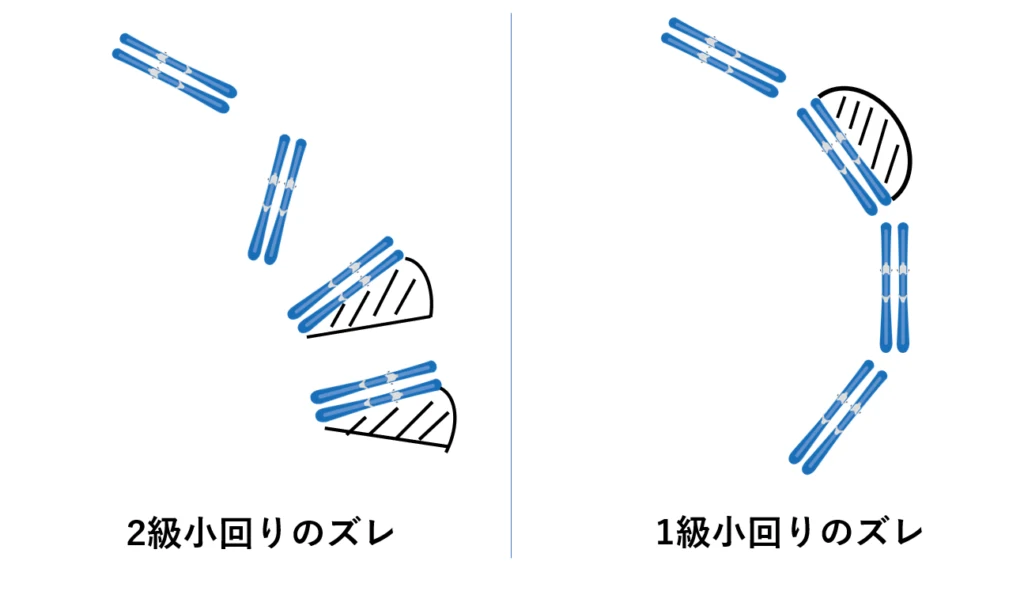
Sloppy transitions cause poor connections between turns
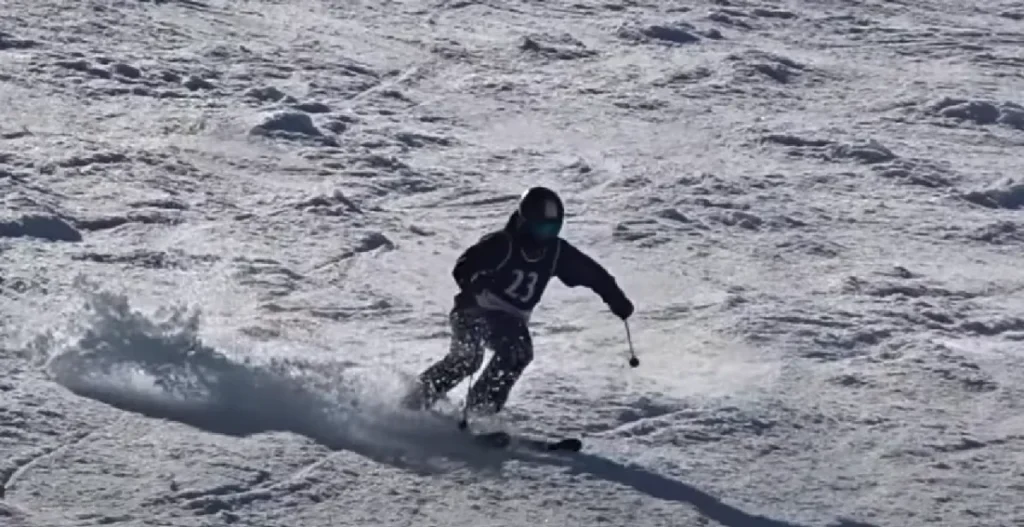
The principles of turn transitions are the same for SAJ Level 1, but at this level, you are expected to link turns under even more challenging conditions, particularly on steep slopes and at high speeds.
The ideal transition is,
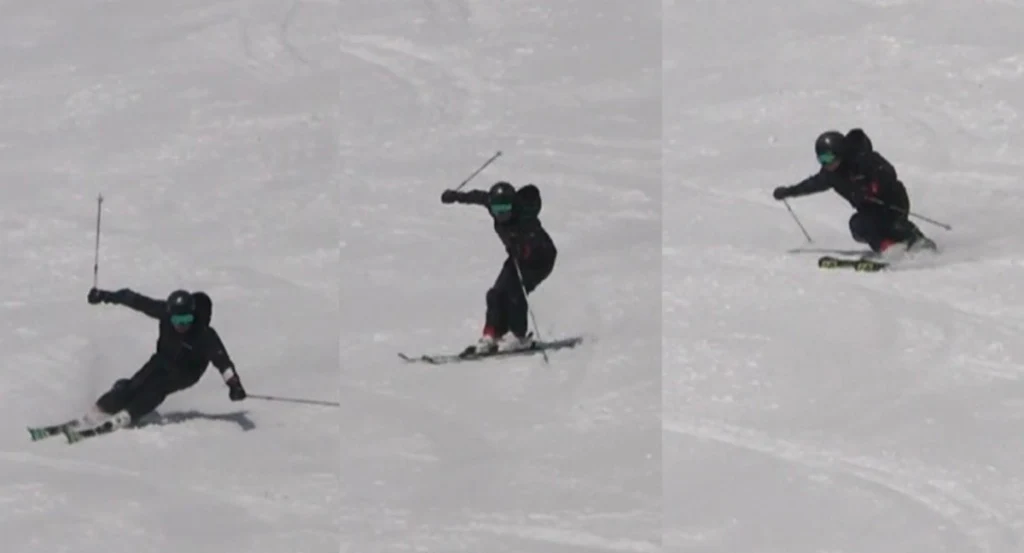
A position standing perpendicular to the slope And only once you can do this will you be able to position your center of mass between the two skis. What is commonly called Centered position You can stand on
However, especially on steep slopes,
Many people leave their center of mass on the uphill side and can no longer enter the next turn smoothly.
Therefore, during the transition, carefully align the direction of your knees and skis as you enter the next turn.
Reasons for failing the SAJ Prize Tests
And finally,
I'll summarize the reasons for failing the SAJ Prize Tests, the highest-level tests offered by SAJ!
At the SAJ Prize Test level, explaining every detail would require far more space than I can write, so I've narrowed the explanations down to particularly representative examples.
For those who want to know more Here And!
- With excessive skidding Insufficient turn speed
- Rough turn transitions and absorption movements
- Weight is applied too late, making the first half of the turn weak
* By the way, moguls are a little more specialized and complicated, so they will be covered separately Mogul Course is explained in.
Excessive skidding and insufficient turn speed
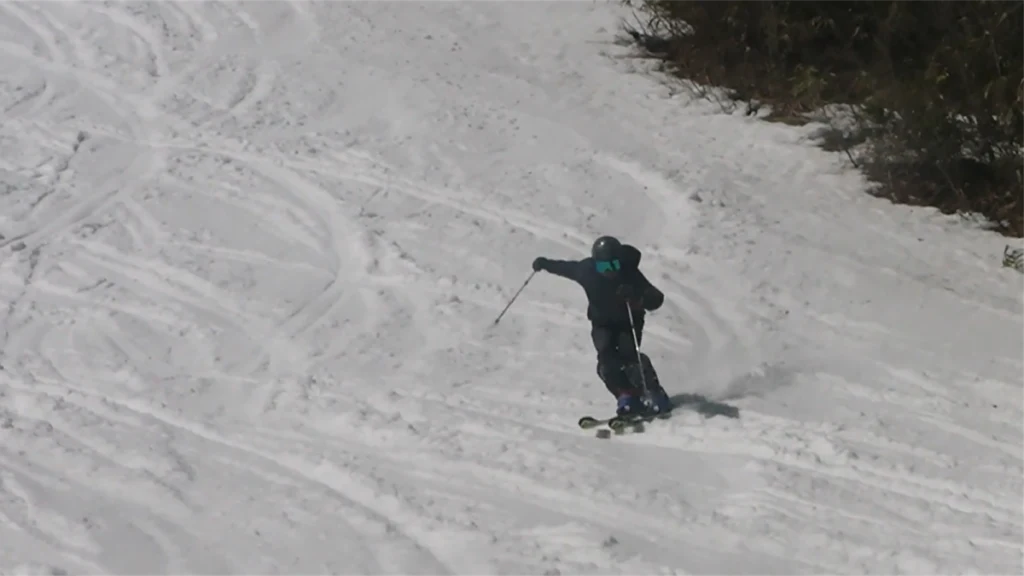
First and foremost, turn speed is the most important thing in the SAJ Prize Tests!
That said, simply descending faster isn't the answer, Ski while creating deep turn arcs and sufficiently increasing your lateral speed is required.
Once you reach this level,
It's not something that can be explained so simply that the solution fits into a single sentence, but...
If I were to deliberately put the answer into a single phrase...
Master both weighting and applying additional force
It's no exaggeration to say this determines whether you pass or fail the SAJ Prize Tests.
Rough turn transitions and absorption movements
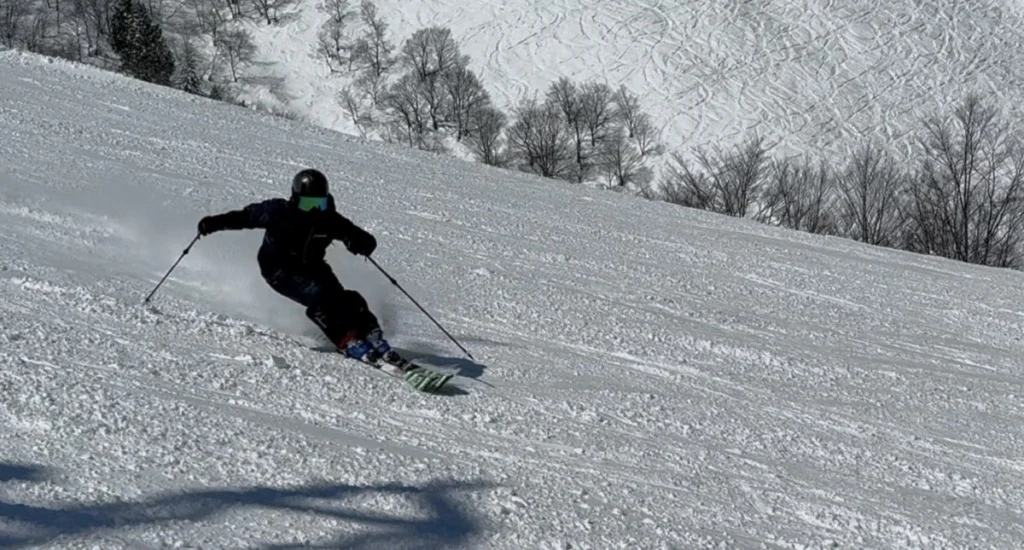
The precision required for transitions also differs greatly from SAJ Level 1.
Up to SAJ Level 1,
Previously, even if you lost a little weight pressure, you could still earn a passing score as long as you correctly applied weight during the turn... But at the SAJ Technical and SAJ Crown level, that won't work.
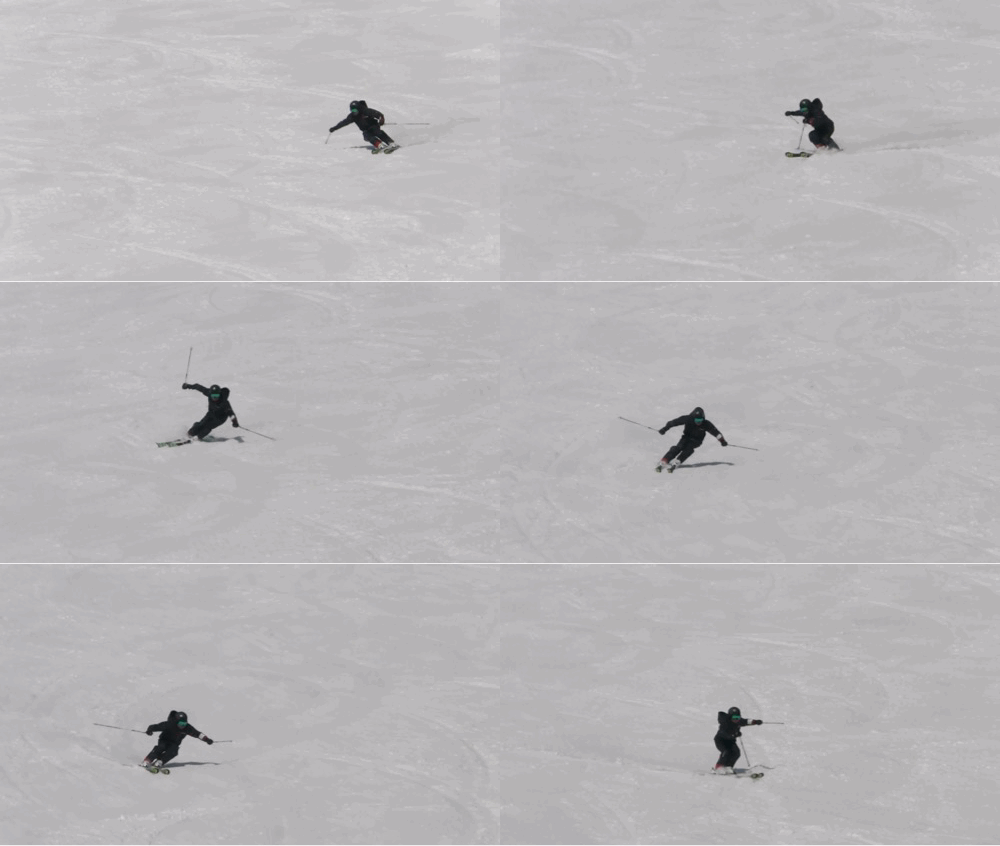
Without releasing the weight during the transition either,
You need to link smoothly into the next turn.
Active movement of the center of mass during transitions like this is one of the details judges pay close attention to!
Weight is applied too late, making the first half of the turn weak
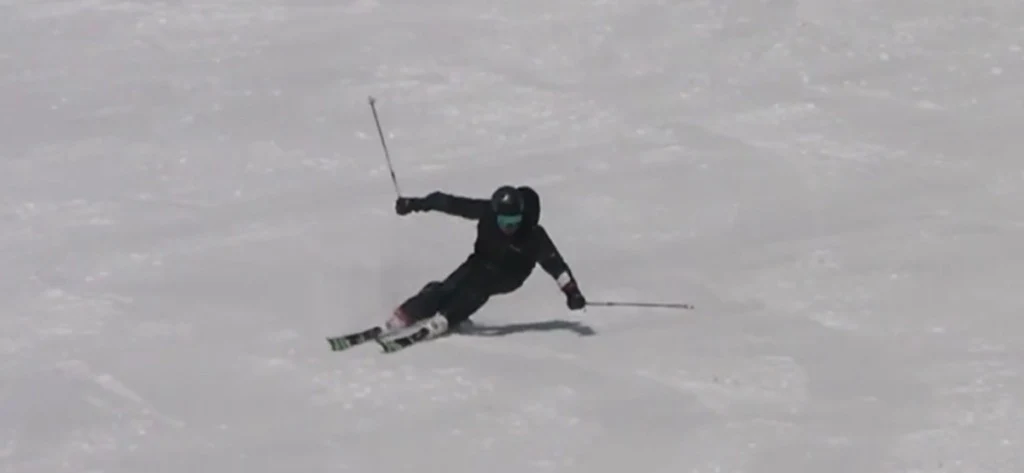
Finally, we'll look at the early part of the turn.
The same applies to SAJ Level 1, but
There are still many people whose pressure is concentrated in the second half of the turn, with no weight on the skis during the early part of the turn...
In the SAJ Prize Tests, your turns will be judged as lacking in overall quality...
To create the early part of the turn effectively
The key is to actively move your center of mass downhill so it doesn't lag behind, even on steep slopes.
Of course, not only in the downhill direction
Forward movement is also necessary, and how should you move your legs during that movement?
When these various elements work together, you'll gradually be able to perform a high-quality early part of the turn.
For reference
I'll also briefly introduce this highly popular manual explaining the early part of the turn!

Summary
So, what did you think?
After you've watched everything through to the end, many of you may already have noticed, but...
Although the levels are different
The challenges and solutions are the same
In a word,
80% outside-ski weighting and 20% transition That's how it feels.
I just made up the proportions roughly, though (haha)
These 2 points are the keys!
You could also replace the word 'transition' with 'movement of the center of mass.'
With all that in mind, including what we've discussed this time,
I think watching the online course again will deepen your understanding even further and help you make this ski season more meaningful!
See you another time!